about me
Live Simply, Give Freely
life transitions
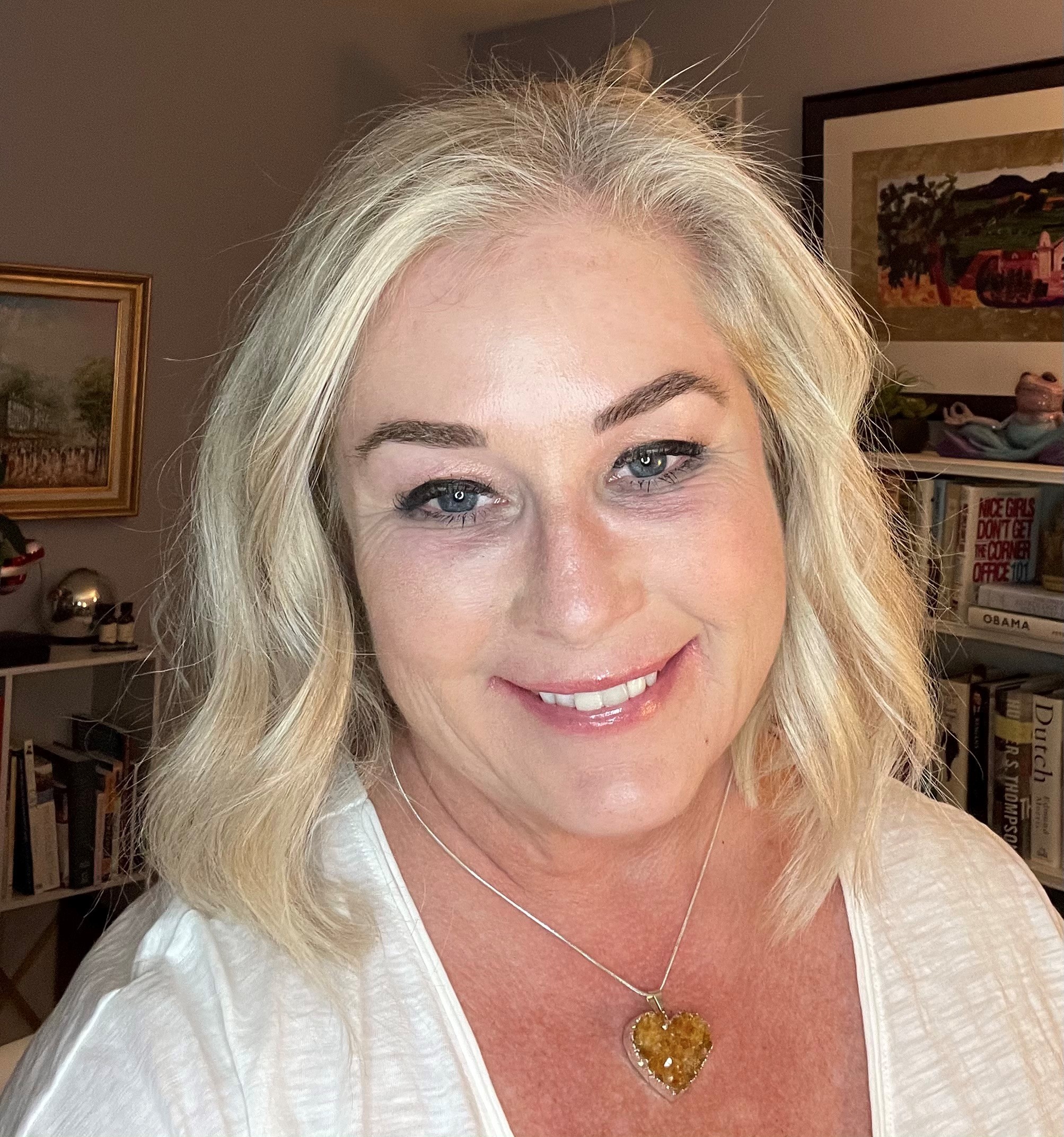
Who Am I? Why Am I Here?
For most of my life, I was a fast decision maker.
Type A.
Decide quickly.
Move on.
That wasn’t an accident. It was a survival skill. And for a long time, it worked.
Speed read as confidence.
Confidence read as competence.
Hesitation did not get invited back to the meeting.
So I learned to move fast, speak decisively, and trust my instincts without stopping to interrogate them too much — including my own.
At 40, that approach felt like strength.
At 60, it feels loud.
At 40, speed felt like power.
At 60, wisdom feels quieter.
Slowing Down Wasn’t Failure — It Was Listening
Here’s the truth I eventually had to face:
I didn’t slow down because I was failing.
I slowed down because my body, my brain, and my nervous system were done pretending that speed equals clarity.
Slowing down didn’t mean I was losing my edge.
It meant I was finally listening.
I turned 60 four months ago.
I don’t feel ancient.
But I also don’t feel 40 — which, honestly, feels like a relief.
Forty was exhausting.
At 40, I had real momentum. I was just beginning what would become a 17-year career in sales. I had stamina. I had confidence. I could power through almost anything. Decisions came quickly because life demanded it.
At 60, I still have drive.
I just no longer confuse urgency with importance.
Marriage, Illness, and the Lessons You Don’t Rush
I married at 50.
That alone reshaped everything.
For the first time in my adult life, it wasn’t just me — my decisions, my risks, my timelines. Marriage introduces a different kind of awareness. You stop asking what do I want and start asking what do we need.
That isn’t a loss of independence.
It’s a recalibration.
Then came my husband’s health battles.
No one prepares you for how humbling that is. Or how scarring.
Illness doesn’t arrive politely. It rearranges your nervous system. It teaches you how little control you actually have over outcomes, timelines, and certainty.
It asks you to sit with fear, patience, and helplessness at the same time.
There were long stretches where my job wasn’t to fix anything.
It was to endure.
To advocate.
To hope.
To stay.
Some experiences don’t ask you to act.
They ask you to stay.
Those years changed me. They softened me and hardened me at the same time. More compassionate. More tired. More present. Far less interested in noise.
They also left emotional marks that required time and honesty to work through.
When Ambition Changes Shape
Add menopause to that mix — the physical changes, the cognitive shifts, the emotional recalibration — and suddenly my younger self’s timelines began to feel unrealistic, if not irrelevant.
There’s a version of my younger self who would be deeply annoyed with how long things take me now.
She would want a plan.
A launch date.
A finish line.
Preferably yesterday.
I still hear her voice sometimes.
I just don’t let her run the room anymore.
Because this version of me understands something she didn’t yet know:
Some things cannot be rushed without being diminished.
Integration, Not Reinvention
This work — this program, this body of thought — didn’t come from panic or reinvention theater.
It came from integration.
This is not content for the sake of content.
It is integration.
For three years, I’ve been organizing what I’ve learned — not just intellectually, but emotionally and physically. Sorting through experiences, books, losses, patterns, and moments of clarity.
Three years sounds like a long time…
Unless you’ve ever tried to organize a lifetime of thinking without losing your mind.
Or your sense of humor.
Or both.
I’m far more forgiving with myself now.
Forgiving when clarity comes in waves instead of bursts.
Forgiving when rest becomes non-negotiable.
Forgiving when yelling at myself stops working — which turns out to happen sometime around midlife.
That doesn’t mean I’ve lost ambition.
It means ambition has changed shape.
I’m no longer interested in proving how fast I can move.
I’m interested in understanding why I’m moving at all.
Who Am I? Why Am I Here?
Which brings me back to the questions that keep circling:
Who am I?
Why am I here?
These questions aren’t meant to paralyze us.
They’re meant to orient us — especially in a world that’s constantly trying to answer them for us.
Who you are is not your job title.
It’s not your productivity.
It’s not how quickly you respond to chaos.
And why you’re here may have less to do with output and more to do with synthesis.
For me, Live Simply, Give Freely emerged as a container for meaning. A place where inner steadiness matters more than external speed. Where discernment matters more than reaction.
If you find yourself slower than you used to be — mentally, emotionally, creatively — I want to offer this perspective:
That may not be a failure.
It may be an upgrade.
A recalibration.
A nervous system catching up to decades of stimulation.
A life asking for a different rhythm.
We don’t need more speed.
We need more discernment.
I don’t know if this work will resonate with everyone.
But I do know this:
It’s honest.
It’s earned.
And it was created with intention, patience, and care.
If you’re here reading this, maybe you’re asking similar questions.
And maybe slowing down is exactly how the answers find us.
Blogs and Insights